Showing posts with label Bitcoin. Show all posts

Monday, March 4, 2019

In the Daily: Facebook Security Hole, Tron Attracts Snakes, the Satoshi Symbol


In Monday’s edition of The Daily, we examine Facebook’s latest security scare, and what this means for cryptocurrency users. We also take a look at classic snake game Slither.io which is coming to the Tron blockchain, and consider some potential design for Bitcoin’s satoshi symbol.

Facebook’s New Feature Gets the Thumbs Down

Facebook, which previously encouraged users to link their cell phone to their account for authentication purposes, has quietly made those numbers publicly searchable. As a result, every one of your Facebook friends – and potentially every single person on Facebook, depending on your security settings – can look up your number. For cryptocurrency users, accustomed to hearing cautionary tales of SIM-swapping, this is particularly troubling.
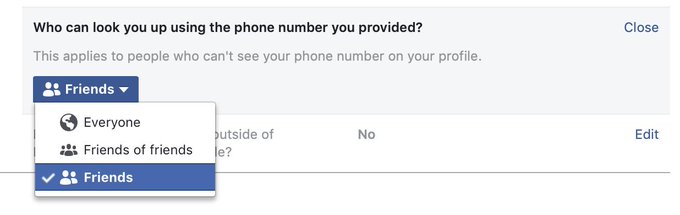
For years Facebook claimed the adding a phone number for 2FA was only for security. Now it can be searched and there's no way to disable that.
9,019 people are talking about this
Thanks to Facebook’s new feature, an attacker can obtain a target’s cell phone number with comparative ease and from there socially engineer their way into taking controlling of it. “Using security to further weaken privacy is a lousy move — especially since phone numbers can be hijacked to weaken security,” tweetedone security expert. In related news, the Guardian is reporting on how “Facebook has targeted politicians around the world … promising investments and incentives while seeking to pressure them into lobbying on Facebook’s behalf against data privacy legislation.”

In the Daily: Facebook Security Hole, Tron Attracts Snakes, the Satoshi Symbol

Hypersnakes Slides Its Way onto the Tron Network

Tron Arcade and Mixmarvel have teamed up to bring the classic game Slither.ioto the blockchain. Hypersnakes, the blockchain iteration of Slither.io, allows players to compete and earn TRX without a wallet, making it easier for gamers to acquire cryptocurrency. The classic game comes with added battle royale gameplay, airdrop treasure chests and other features design to incentivize adoption and fuel competition. Hypersnakes launched in beta on March 1, with the full release scheduled for mid-March.
Tron Arcade, with $100 million of backing, is dedicated to funding and publishing high-quality games in the blockchain space. To date, gaming and gambling have proved two of the most popular use cases for the Tron network.
In the Daily: Facebook Security Hole, Tron Attracts Snakes, the Satoshi Symbol
Slither.io

Bitcoiners Propose Satoshi Symbol

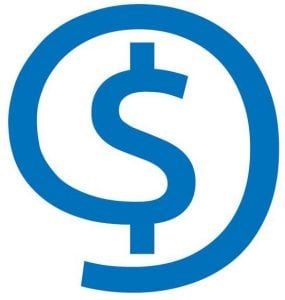
The satoshi or “sat” is the smallest unit of bitcoin, 100 million of which make up a whole bitcoin. While Bitcoin has had an unofficial logo for years, no one seems to have bothered drafting one for the humble sat. As focus has returned to microtransactions in recent months, however, coupled with the “stacking sats” movement – saving small amounts of bitcoin in the assumption they’ll one day be worth a lot – there has been renewed interest in the simple sat. A number of user-generated designs have been shared on r/bitcoin this week, with the most popular, with 1,400 upvotes, comprising the S and @ symbols fused together to create “sat.”
In the Daily: Facebook Security Hole, Tron Attracts Snakes, the Satoshi Symbol
The proposed satoshi symbol

What are your thoughts on the stories in today’s news roundup? Let us know in the comments section below.

Startup Company Sets up Bitcoin ATM in Botswana


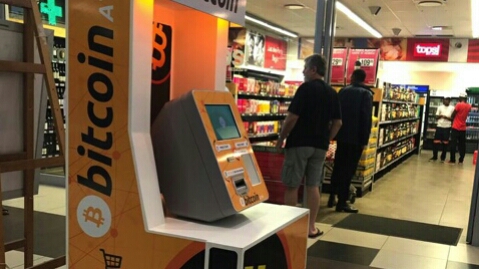
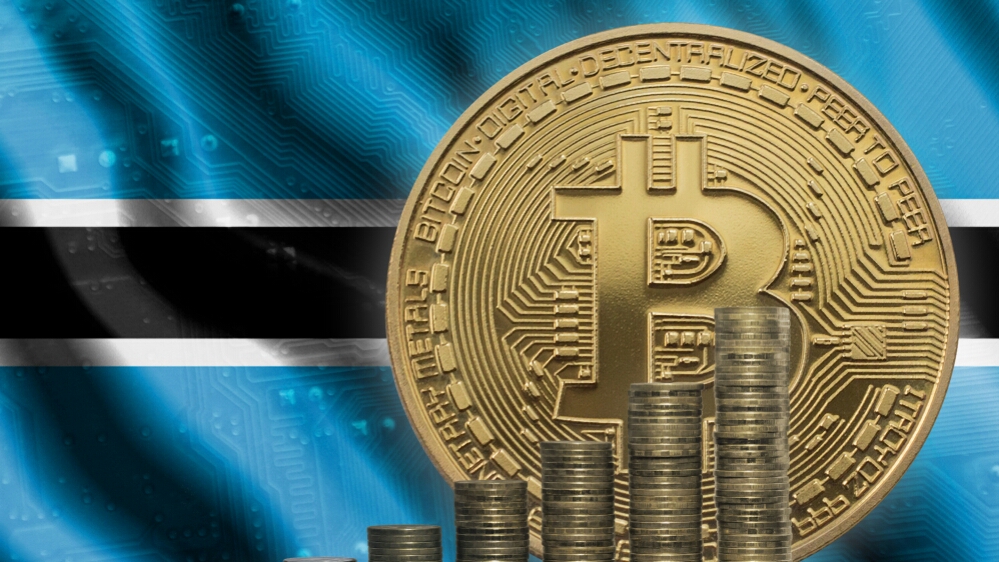
Express Minds Ltd has set up a bitcoin automated teller machine (BATM) in Gaborone, Botswana, increasing the number of the machines on the continent to 10. The fiat-to-crypto machine allows users to purchase bitcoin by scanning a QR code for their wallet address, feed money into the machine and get the crypto equivalent automatically assigned to their wallets.

ATM to Improve Cryptocurrency Uptake

The local tech company expects its machine, located at a large mall in the city-center, to incentivize the uptake of cryptocurrency. The supposed complexity of virtual currency trade has been discouraging for some prospective consumers. Transacting without human mediation may also be attractive to customers considering that some exchanges have picked up dubious reputations while individual partners cannot always be trusted to be in good faith.
Startup Company Sets up Bitcoin ATM in Botswana
Goabaone Brose Watlala, a director with Express Minds, said the BATM, which can only handle a daily transaction limit of BWP50,000 (~$5,000) at the moment, processes user information intuitively. “We have been working tirelessly to make it easier for Batswana [people of Botswana] to buy cryptocurrencies and now we are bringing simplicity, convenience and trust to the cryptocurrency purchasing experience,” Watlala told news.Bitcoin.com.
“This one way machine is still the easiest, fastest and safest way to buy bitcoin,” he added. There is no known cryptocurrency exchange in the diamond-rich southern African nation. Until now, the only way for Batswana to buy crypto was through exchanges located outside the country. At some point consumers were crossing the border, mainly to South Africa, to buy bitcoin.

Regulatory Risk

It is not clear for how long the newly deployed machine will be in place as Botswana has no specific regulation on cryptocurrency or the operation of a BATM. Zimbabwe’s Golix-operated machine went out of use when government banned virtual currencies last year.
Express Minds is taking advantage of its physical space to spread the word on cryptocurrency, as virtual money is not exactly the most popular technological phenomenon in Botswana at the moment. Company staffers are offering interested individuals one-on-one instructions on how the technology works.
Startup Company Sets up Bitcoin ATM in Botswana
Although the Botswana startup is optimistic about improved crypto adoption, the story of BATMs in Africa is not the most encouraging one. South Africa is leading the pack with five of the nine bitcoin teller machines already found across Africa, with Uganda, Djibouti, Kenya and Zimbabwe completing the tally. Africa is not big on these machines, with populous, crypto-intensive Nigeria surprisingly without one such machine.
There are diverging views regarding the slow penetration of BATMs in Africa, with hegemonic exchanges saying that such machines lack the human interface that customers are used to, while those behind machines say that the absence of mediation is more attractive.
At $12,000, bitcoin ATMs are cost-prohibitive on the side of exchange operators in Africa, while transaction fees ranging from eight to 14 percent discourage users. Kenya’s Kenraill Towers BATM, which uses rates from three exchange websites, has been losing customers. Botswana’s relative lack of options may be an advantage to Express Minds in the short term.
What do you think about the growth of the bitcoin ATM market in Africa? Let us know in the comments section below.
Tags :
#ATM bitcoin
#ATM bitcoin in Africa

Sunday, March 3, 2019

Bitcoin Early Adopters Build Seasteading Home off the Coast of Thailand


Interest in cryptocurrency is often interlinked with a passion for personal freedom and a desire to shape the future for the better. A recent example of this is a team of Bitcoin early adopters who are building a seasteading home off the coast of Thailand.

Private Seasteading for $150,000

A short video documentary released by the Seasteading Institute on its Youtube channel showcases the establishment of a small seastead 12 nautical miles off the coast of Phuket, Thailand. The installation is now the home of Chad Elwartowski and Nadia Summergirl, a couple who wanted to move the futuristic idea from just a concept to a practical reality.
The people behind the project were Bitcoin early adopters who used the profit from that investment to fund their dwelling. They spent around $150,000 on the seastead, $30,000 more than they expected. “As it is experimental we ended up adding and adding and adding,” Elwartowski told Reason’s Brian Doherty.
According to the blog of the seastead construction team, Ocean Builders, $150,000 is the target minimum price for a barebones facility. “Closer to $200,000 would likely give you a move-in ready seastead with a nice kitchen, water, solar electric, etc.”

From French Polynesia to Thailand

Seasteading, a combination of the words sea and homesteading, is the idea of creating permanent habitats at sea, beyond the territorial control of existing governments. Promoters hope that one day large autonomous seasteading cities may be recognized as sovereign states in their own right and provide a platform for experimenting with new forms of governance to ensure citizens’ liberty.
Bitcoin Early Adopters Build Seasteading Home off the Coast of Thailand
Back in May 2018 it was reported that a seasteading project had reached a memorandum of understanding with French Polynesia with the aim of creating an independent island with its own cryptocurrency. Elwartowski and Summergirl had been waiting to build their seastead as part of that venture, but when progress there stopped they decided to go it alone in Thailand. They have no agreements with the Thai government but don’t anticipate any friction from authorities.
What do you think about this seasteading home built by early Bitcoin adopters? Share your thoughts in the comments section below.


Tags :
#bitcoin in thailand
#project crypto thailand

Friday, March 1, 2019

Bitcoin History Part 10: The 184 Billion BTC Bug


There was something unusual about Bitcoin block 74638. It was Core developer Jeff Garzik who first spotted it, commenting on the “quite strange” transaction outputs, which stood at 92233720368.54 BTC apiece. That wasn’t meant to happen. Within an hour, another forum user had started a thread titled “overflow bug serious” in which he implored “We need a fix asap.” It was Aug. 15, 2010, and Bitcoin had just encountered its biggest bug yet.

Bitcoin Encounters a Very Big Bug

Bitcoin had already endured at least four major bugs or vulnerabilities prior to the integer overflow bug that led to 184 billion BTC being created out of thin air. The Bitcoin wiki lists 40 bugs of varying degrees of severity, with the most recent discovered in February 2019. CVE-2010-5139, however, was unlike anything the Bitcoin community had ever encountered in 2010 — or has seen since.
Bitcoin History Part 10: The 184 Billion BTC Bug
The bug that Garzik, among others, uncovered in block 74638 was Bitcoin’s first inflation bug. Given that the cryptocurrency’s total supply is meant to be capped at 21 million, the addition of 184 billion coins was a major problem to put it mildly. An integer overflow had caused a negative total transaction value. As Bitcointalk forum user Ifm explained:
Normally the inputs are equal to the outputs of a transaction. The exception is when there is a ‘fee’ charged for the transaction. The net allows anyone to voluntarily pay any amout for a fee. So when the sum was negative the difference from the input looked like a fee. It slipped thru all the checks.
An unknown attacker had discovered the bug and used it to generate a ridiculously high number of bitcoins. Had they set their sights on a more modest total, it is possible their exploit might have lain undiscovered for longer than the 90 minutes it took for the scheme to be spotted. Once discovered, it was inevitable that a patch would be rushed through, and so it came to pass. Within two hours of Common Vulnerability and Exposure 2010-5139 striking, Core developers Gavin Andresen and Satoshi Nakamoto were on the case, and the 184 billion BTC transaction was purged from block 74638.
Bitcoin History Part 10: The 184 Billion BTC Bug
“Once more than 50% of the node power is upgraded and the good chain overtakes the bad, the 0.3.10 nodes will make it hard for any bad transactions to get any confirmations,” reassured Satoshi. Bitcoin’s creator took a bug of this magnitude seriously, and posted more than a dozen times in the thread devoted to its discovery and eradication. Within five months of the incident, Satoshi would leave the community he founded for good. In his wake, he left a cryptocurrency that would prove strong enough to survive the next eight years and beyond.
Bitcoin History is a multipart series from news.Bitcoin.com charting pivotal moments in the evolution of the world’s first and finest cryptocurrency. Read part nine here.

Thursday, March 22, 2018

Snowden on Bitcoin: Blasts Public Ledger and Core Developers

The world’s most famous whistleblower, Edward Snowden, gave a dynamic, wide-ranging interview to Peter Van Valkenburgh during Blockstack Berlin 2018. Mr. Snowden discussed ongoing issues of privacy and cryptocurrency, his preferences, and revealed how bitcoin helped him in his most historic hour. He also took the opportunity to chide growing crypto tribalism, calling out maximalists, and insisted bitcoin core developers need to up their collective game.

Edward Snowden Gives State of Crypto Remarks

“I don’t think bitcoin will last forever […],” Mr. Snowden teased. “The first browser created is not the best browser that we have ever seen. Bitcoin does important work, and I do think it will have enduring value for a long time. But particularly when we look at the core development team and their rate of improvement to the protocol, they simply need to do better or they will not be able to compete.”
Right at the 43:00 minute mark, famed crypto legal expert Peter Van Valkenburgh of Coin Center turned the hour long interview to bitcoin. His piped-in guest from Russia was none other than Edward Snowden, erstwhile leaker of massive caches of National Security Agency documents. “Do you have any cryptocurrencies? Do you have any digital money?” Mr. Van Valkenburgh asked of Mr. Snowden. “Are you excited about cryptocurrencies?”
Snowden on Bitcoin: Blasts Public Ledger and Core Developers
Looking every bit like Edward Snowden, charcoal blazer, fashion forward eyeglass frames, Mr. Snowden began, “As a privacy advocate, I would recommend no one ever say that they have cryptocurrencies,” he smiled and laughed hoarsely as the audience laughed along and applauded. “I like this audience,” he continued. “What I would say is this, when I was working on the great project of my life back in 2013, and trying to figure out things like how could I get this archive of material to journalists […] in a safe way that’s uncontrolled, that’s unseen, that happens permissionlessly, there is a question of do I need server infrastructure of my own.”
In a series of juicy musings combined with a rhetorical question, a wry smile again appeared as Mr. Snowden answered, “Maybe the answer is yes. Okay, how do I pay for that anonymously? Maybe, maaaaybe someone like me may have used bitcoin for something like that. There are a lot of technologies that are here today, that have served our interest in the past, that have never gotten the public shout-outs that maybe they could have [….]”

Bitcoin’s Public Blockchain is a Flaw

In what will undoubtedly be the most controversial of his remarks, Mr. Snowden urged, “Everybody is focused on the transaction rate limitations of bitcoin being its central flaw, and that is a major one, but I would argue actually the much larger structural flaw, the long lasting flaw, is its public ledger. That is simply incompatible with having a enduring mechanism for trade. You cannot have a lifelong history of everyone’s purchases, all of their interactions, be available to everyone and have that workout well at scale. The limitations of how people engage with these cryptocurrencies are the limiting factor on the apocalypses we’ve had from it so far, a natural relief of pressure on it.”
On the subject of which cryptocurrency he favors, he revealed, “When we talk about which cryptocurrencies are interesting to me, I’ve said before and I’ll say again, Zcash, for me, is the most interesting right now because the privacy properties of it are truly unique. We see more and more projects that are trying to emulate this, and I think this is a positive thing. Monero is out there, and I’ve used Monero just like everyone else.”
Snowden on Bitcoin: Blasts Public Ledger and Core Developers
Mr. Snowden chastised coin maximalists, the broader crypto community, for becoming too tribal, too wedded to a particular coin or project. He stressed the relative size of the ecosystem is very small and needs to grow, and so new and different projects should be encouraged for that reason and to encourage more people using crypto. “We already see governments finally reaching a point where they’re becoming very, very nervous, and moving closer and closer to a point of muscular intervention in how these technologies can be used. And if we do not have broad, public familiarity of use that’s willing to defend not just their coin but everybody else’s, we’re going to have real problems.”
Asked about Venezuela’s foray into a state-backed crypto, petro, and the prospects for the overall technology being co-opted by the likes of dictators, Mr. Snowden assured, “It’s not a question of if they will be, but when they will be. And it’s a question of how do we design competing systems that are simply so attractive that they will not be ignored by the global consumer base, but also the governments themselves who are seeking to compete against them will not simply be able to outlaw them and have that be meaningful [….]”
Snowden on Bitcoin: Blasts Public Ledger and Core Developers

Hope

Asked about coders and developers forming an intelligentsia, a technocratic elite, what’s known classically as the power of elders, Mr. Snowden struck a decidedly positive tone. He recalled his personal admonition to journalists on releasing to them the cache of state secrets back in 2013: they were not to publish salacious material, but only what was in the public’s interest. It’s been five years, and not one media outlet violated his conditions. He said that bodes well for the future security of projects such as bitcoin, which have become very valuable and yet the integrity of wallets and blocks remains more or less in tact. “Problematic is not insurmountable,” he said.
What do think about Snowden’s latest remarks? Let us know in the comments!

Images via Pixabay, Twitter. 
Source : bitcoin.com

Wednesday, March 21, 2018

Joystream Test Drive — How To Get Paid Bitcoin Seeding Bittorrent Files

Last week the file sharing Bittorrent client that pays users for seeding and sharing bandwidth, Joystream, announced launching on the bitcoin cash (BCH) network. We decided to give the platform a test drive to show how to use the application that offers BCH incentives.

Joystream and Bitcoin Cash Mainnet

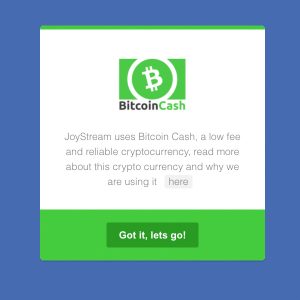
Joystream is a peer-to-peer application that uses bitcoin cash as an incentive for Bittorrent users that compensate each other for content within a distributed network. Originally the team started off with an attempt to use the bitcoin core (BTC) network but fees and transaction confirmation times became unreliable. On March 20 the application has launched on the Bitcoin Cash mainnet and is available for download in Mac, Windows, and Linux operating systems (OS).
Joystream Test Drive — How To Get Paid Bitcoin Seeding Bittorrent Files

Experimenting With Joystream

Test Driving Joystream — The Bittorrent Client That Offers BCH Incentives
Joystream & Bitcoin Cash
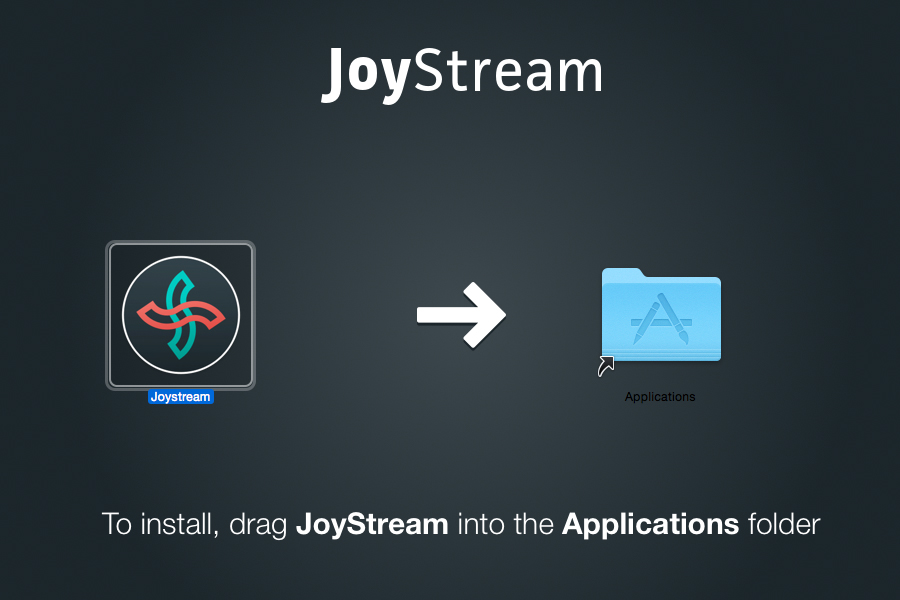
After downloading the appropriate platform for your OS and opening the software, users are greeted with a “terms of use” page, which asks the user to accept full responsibility when using the Joystream software. This would likely be due to seeders sharing copyrighted materials as there is no discretion to what you can or cannot download and upload. The platform also has an onboarding BCH faucet for users to test out the clients’ features and services. When I first opened the Joystream user interface, the faucet gave me $0.30 cents worth of BCH for purchasing files on the platform.
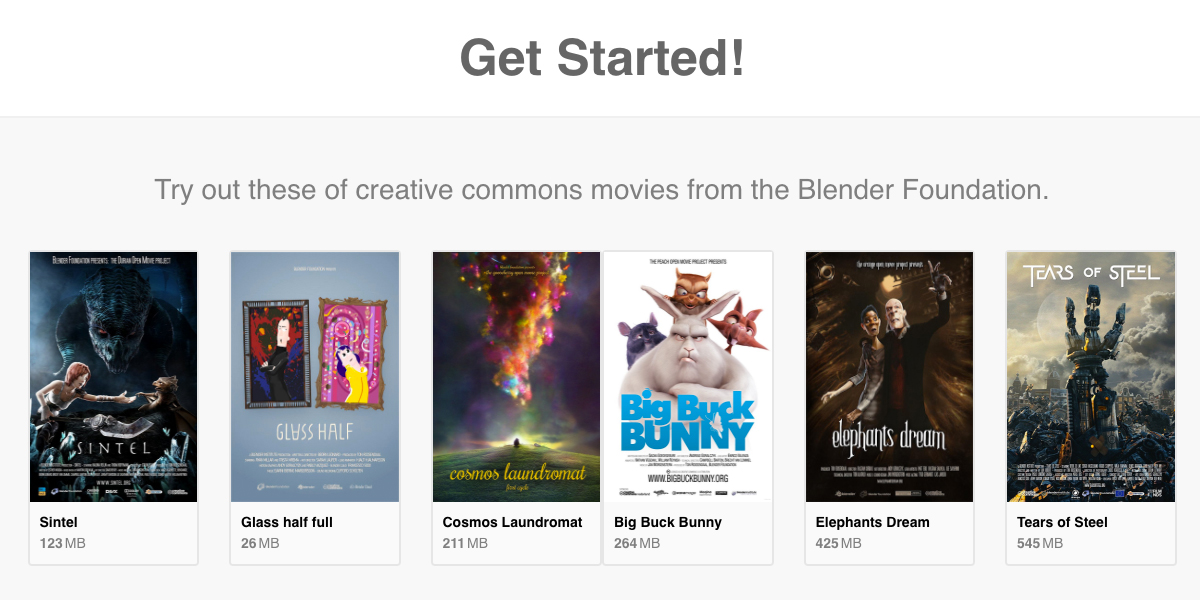
The interface is basically the same as any torrent engine that allows seeding and downloading all types of content. The difference is that you get a bitcoin cash wallet, and can earn small fractions of BCH by seeding material. You can also charge a fee for sharing rare material or other types of popular content. To start the experiment, Joystream gives you around five free torrent files so you can start downloading and seeding once the file is finished. There is also an upload section where a user can drag a downloaded torrent file or upload via a mirror.
Test Driving Joystream — The Bittorrent Client That Offers BCH Incentives
The free content Joystream provides for testing.
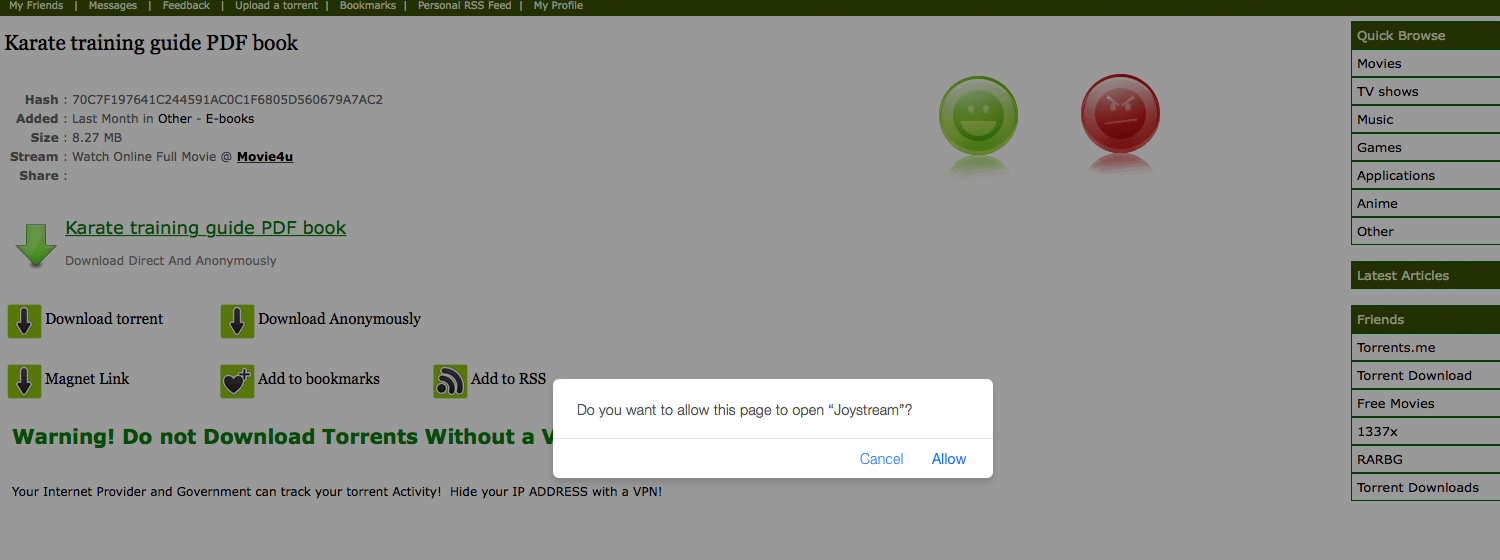
I decided to go to my favorite torrent site and tapped a free ‘Kung-Fu Training Guide’  mirror. As soon as I did my computer asked me if I wanted to utilize Joystream for the upload process.
Test Driving Joystream — The Bittorrent Client That Offers BCH Incentives
Joystream works with torrent mirrors, and the application will open as soon as you authorize it.
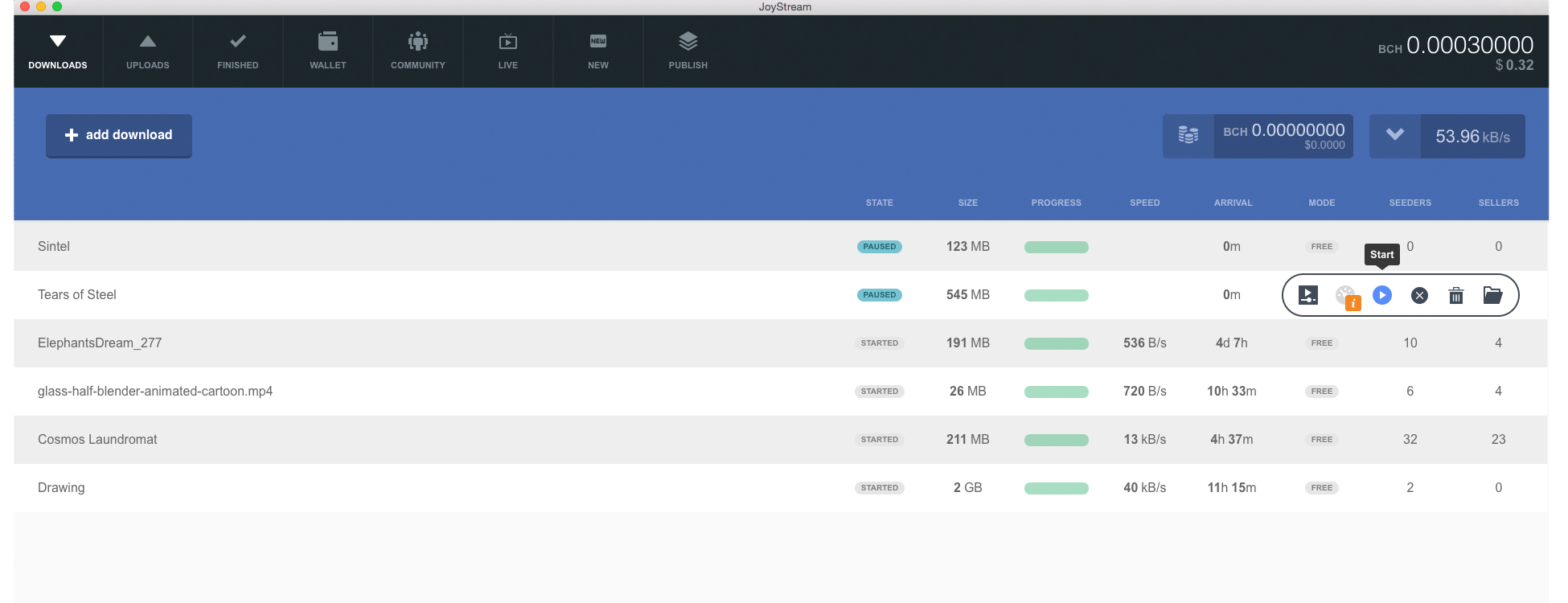
I initiated the process, and the upload began just like any other torrent engine. It shows the number of seeders and sellers in the download section and the revenue and the number of buyers in the upload section. If I wanted to sell the ‘Kung-Fu Training Guide’ book I could set any price I desired for seeding it to my peers. It’s likely that better content, or some exclusive material could be more valuable to Joystream users.
Test Driving Joystream — The Bittorrent Client That Offers BCH Incentives
Joystream’s UI shows the user’s BCH balance, downloads, uploads, and the torrents being downloaded, seeded, paused, deleted and more.

A Few Features to Wait for in the Next Version Release

So far there is not much content on the platform, but it’s evident Joystream users are experimenting with the protocol from the discussions within the community Telegram and Slack channels. The BCH faucet and free content in the beginning, however, is more than enough for users to learn how to tinker with the application, and torrent savvy users will have no issues.
Test Driving Joystream — The Bittorrent Client That Offers BCH Incentives
The Joystream BCH wallet can send and receive and also shows prior transactions.
At the time of publication, there are three sections which are unavailable at the moment which include the ‘new content tab, the publishing tab, and the live streaming tab’ which can be used to stream content like music and movies. These three features will be launched in the next release, the developers explain.
Overall the platform was straightforward and operated much like the Utorrent, Vuze, and Limewire software. Being the first day and the initial version release it should be expected that the content is lacking. The next hurdle for the team will likely be launching the following version with the rest of the features, and hoping the concept of rewarding seeders with crypto catches people’s attention.
What do you think about the Joystream app? Do you think an idea like this will catch on with seeders and those who use torrent software? Let us know what you think in the comments below.

Images via Shutterstock, and Joystream. 
Source : bitcoin.com

Monday, March 19, 2018

Ukraine to Compensate a Citizen in Bitcoin – for ”Moral Damages"

A district court in Kiev Oblast has accepted a lawsuit which is setting a precedent in Ukraine. The plaintiff seeks compensation in bitcoin for “moral damages” caused by law enforcement officials. A preliminary hearing has been scheduled after the presiding judge found no legal grounds to reject the claim.

Setting a Precedent

For the first time in Ukraine’s judicial practice, a claim for compensation in cryptocurrency has been accepted by a local court. Ukrainian citizen Dmitriy G. wants to be paid 1 BTC for “moral damages” he suffered in result of an “unlawful” search. He is suing officers from Ukraine’s Security Service (SBU) and their colleagues from the Prosecutor’s Office who conducted the operation.
Ukraine to Pay a Citizen in Bitcoin - for ”Moral Damages”
Borispolskiy Court’s decision (Forklog)
Borispolskiy District Court in Kiev Oblast has agreed to look into the case and has even scheduled a preliminary hearing, Forklog reports. Judge Zhuravskiy found no legal grounds to reject the lawsuit, according to a document, acquired by the outlet.
All applicable norms have been observed, according to the court, which has already sent a copy of its resolution to the defendants. They have 15 days to respond officially to the claims made by the plaintiff. If the government agencies fail to do so, the court proceedings will continue based on the available information.
Regardless of the end result, the legal action has already set a precedent in Ukraine’s court practice. If Dmitriy is granted the bitcoin compensation he seeks, that would de facto legalize cryptocurrencies as means of payment in the country.

Bitcoin in Legal Limbo

Technically and legally, the status of cryptocurrencies in Ukraine is still undefined. At least three drafts have been introduced in parliament since last October. One of the bills defines cryptocurrency as property that can be exchanged for goods and services. Another one states that cryptos are financial assets. A third, supplementary draft amends Ukraine’s tax code to introduce exemptions for crypto profits and incomes. No real progress towards the adoption of new legislation has been reported in 2018.
Ukrainian Court Accepts Claim for Compensation in Bitcoin
There have been multiple calls, including from officials and institutions, for the regulation of cryptos, like bitcoin. A cybersecurity meeting in January discussed cryptocurrencies and the National Security Council set up a working group tasked to finalize proposals. Ukraine’s Cyberpolice also called for the legalization of cryptocurrencies.
Earlier, the country’s justice minister Pavel Petrenko stated that digital currencies should be brought into the legal field. The State Financial Monitoring Service has already announced its official position on cryptocurrency matters. Ukraine’s parliament, however, has made no significant advances towards adopting a comprehensive regulatory framework.
Some statements suggest that Ukrainian legislators may separate crypto mining and cryptocurrencies in the new legislation. Mining can be legalized in the country before decisions are made in regards to the status and the circulation of cryptos. Recently, Ukraine’s Minister of Economy ordered several ministries and agencies to prepare the documents necessary to add crypto mining to the state register of economic activities.
Do you think similar cases can effectively legalize bitcoin even before dedicated legislation has been passed by lawmakers? Share your opinions in the comments section below.  

Images courtesy of Shutterstock, Forklog.
Source : bitcoin.com