Showing posts with label Blockchain. Show all posts

Tuesday, March 5, 2019

How to Create Your Own SLP Token Using the Bitcoin Cash Blockchain


Since the latest Electron Cash SLP version release and the newly published Badger Wallet extension, Bitcoin Cash (BCH) supporters have been creating an abundance of tokens. Because the tokens are so simple to develop, BCH enthusiasts have created tokens for fun, giving them names like ‘XRP Cash,’ ‘Doge Cash,’ and even ‘BSV Cash.’ The following step-by-step walkthrough details how to create an SLP-based token on the Bitcoin Cash network and distribute them to friends and family.

Creating a Custom Token on the BCH Chain Using the Simple Ledger Protocol

Ever since the inception of BCH-based token creation applications, Simple Ledger Protocol (SLP) and Wormhole-launched tokens have been a hot topic. Now anyone can create tokens on the BCH network using these protocols, and over the last week, the BCH community has been messing around by creating different kinds of tokens to share for fun. In this guide, we will be discussing how anyone can create a token using the Simple Ledger Protocol (SLP), a project spearheaded by the developer James Cramer with help from programmers like Jonald Fyookball, Calin Culianu, Gabriel Cardona, SpendBCH, and Mark Lundeberg. Creating a token using the SLP version of Electron Cash is very easy and only takes a few pennies’ worth of BCH to get started.
How to Create Your Own SLP Token Using the Bitcoin Cash Blockchain

Step 1: Download Electron Cash SLP Version 3.4.5

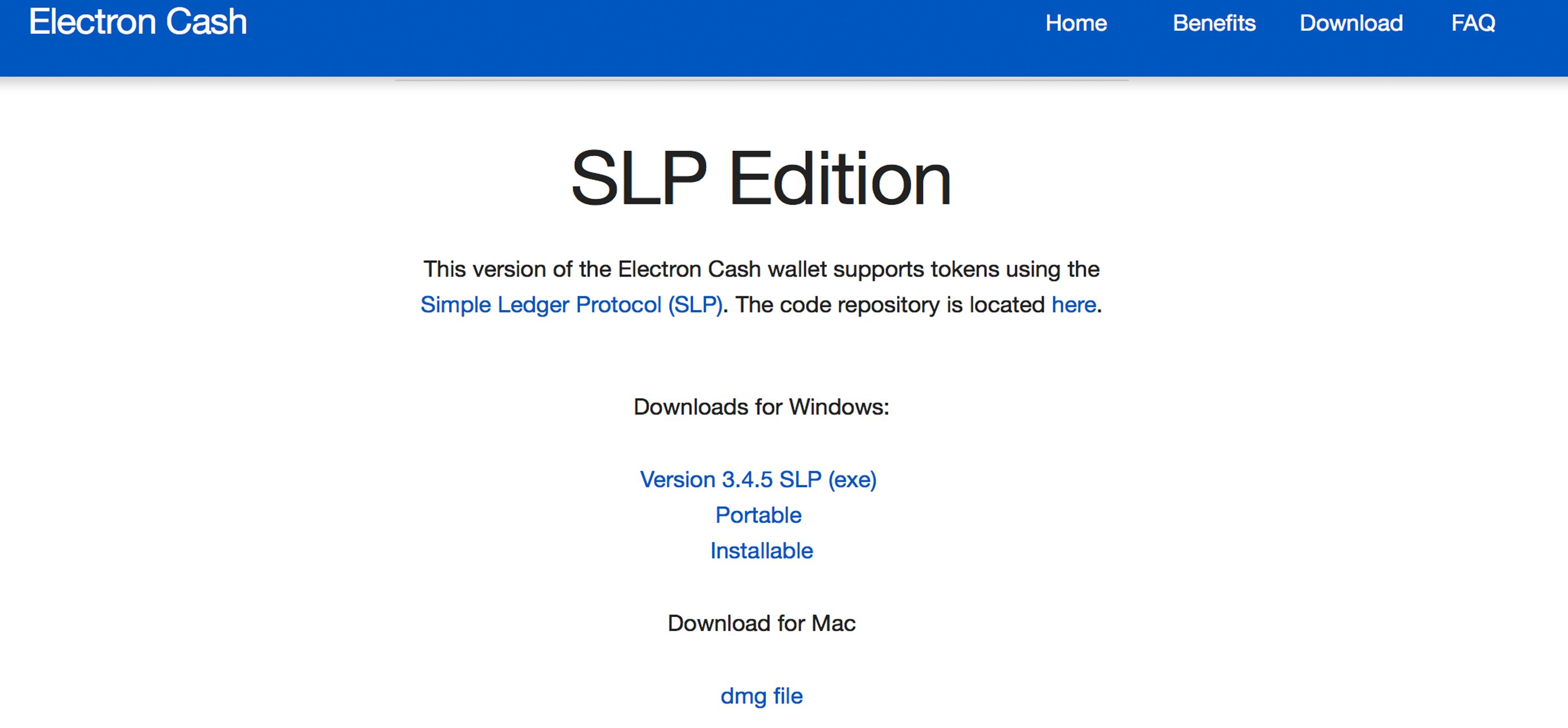
The first thing you need to do to create a token on the BCH chain is download the latest version of Electron Cash that includes SLP integration. The SLP code is open source and individuals who are tech-savvy can review the SLP source code hosted on Github. Electron Cash SLP version 3.4.5 can be found at the official website, for Mac and Windows operating systems.
How to Create Your Own SLP Token Using the Bitcoin Cash Blockchain
The Electron Cash SLP edition can be found on the official website.

After downloading a new application, you can simply create a new wallet or import an existing wallet into Electron Cash SLP version 3.4.5. A small fraction of funds (a nickel’s worth will suffice) is required to create a new SLP token. So if the wallet was created from scratch, you need to send some dust to the wallet first to move onto the next steps.
How to Create Your Own SLP Token Using the Bitcoin Cash Blockchain
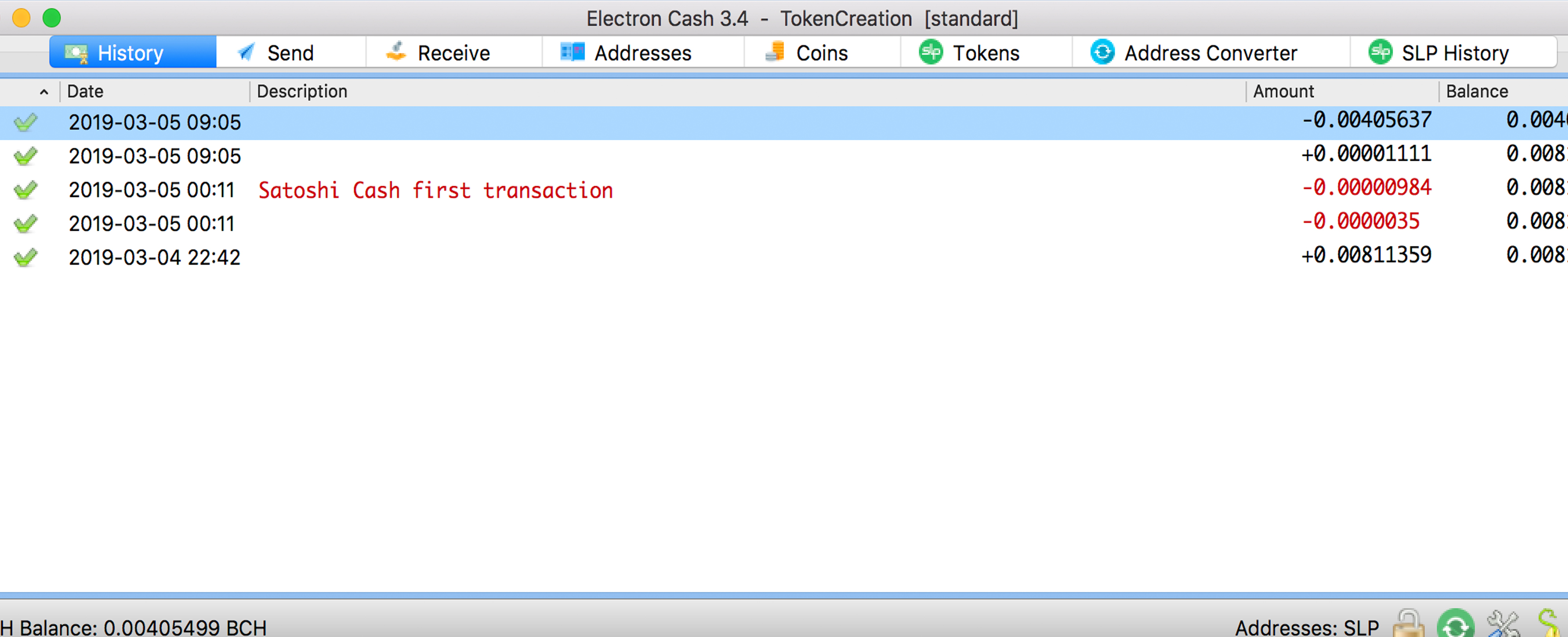
How the Electron Cash SLP version looks.

Step 2: Send Funds to the Electron Cash SLP Wallet and Create a Custom Token

In our example, we sent $1 worth of BCH to the Electron Cash SLP wallet and waited for the transaction to confirm. After about 10 minutes the transaction was confirmed and we opened the wallet in order to access the token creation settings. The SLP wallet is identical to the original Electron Cash wallet but the logo is green and the wallet’s interface has new ‘Tokens’ and ‘SLP history’ tabs.
How to Create Your Own SLP Token Using the Bitcoin Cash Blockchain
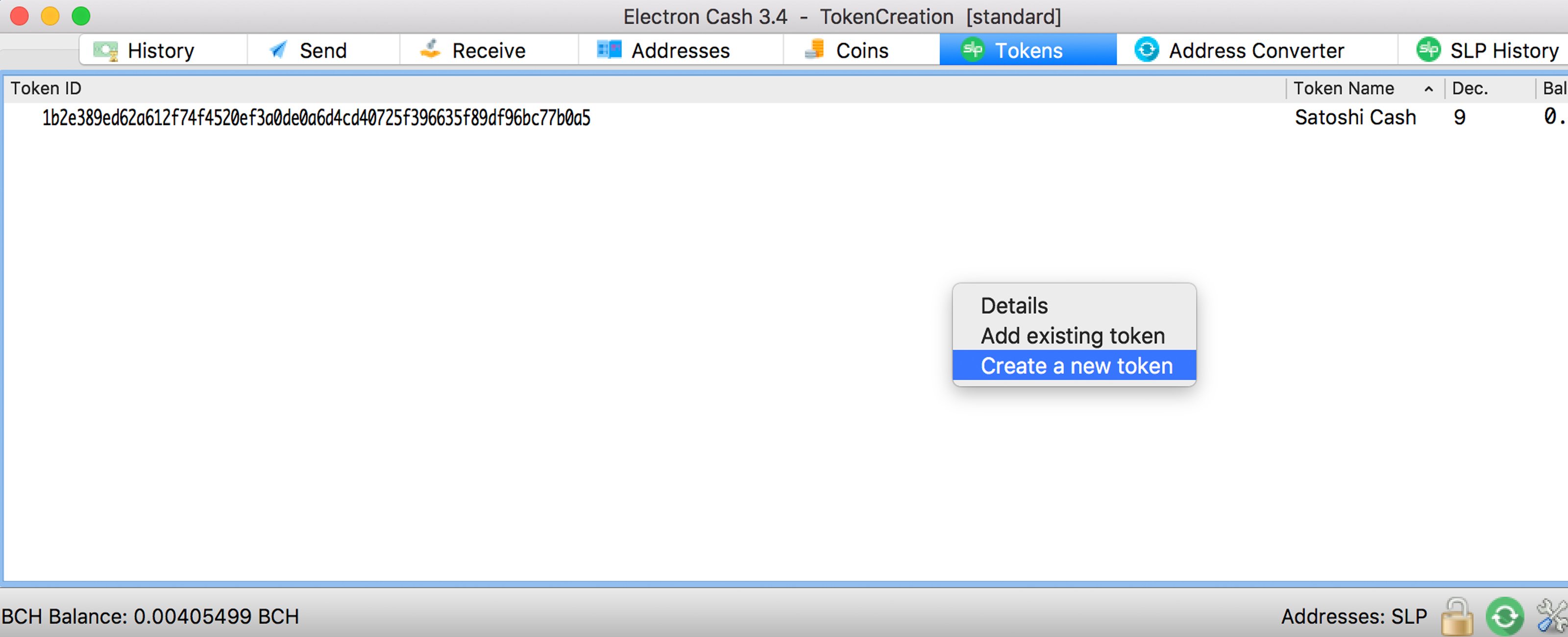
In the ‘token tab’ section, right click and select ‘Create a new token.’

When the initial BCH is confirmed, head over to the ‘tokens’ tab and right click below where the transaction history is usually displayed. By right clicking in this area, the wallet will give two choices: ‘Add an existing token’ and ‘Create a token.’ Simply press ‘Create a token’ and a second window will pop up that allows you to custom-build your own SLP token on the BCH network.

Step 3: Customize the Token Name, Ticker, Quantity, Receiving Address, and Optional Attachments

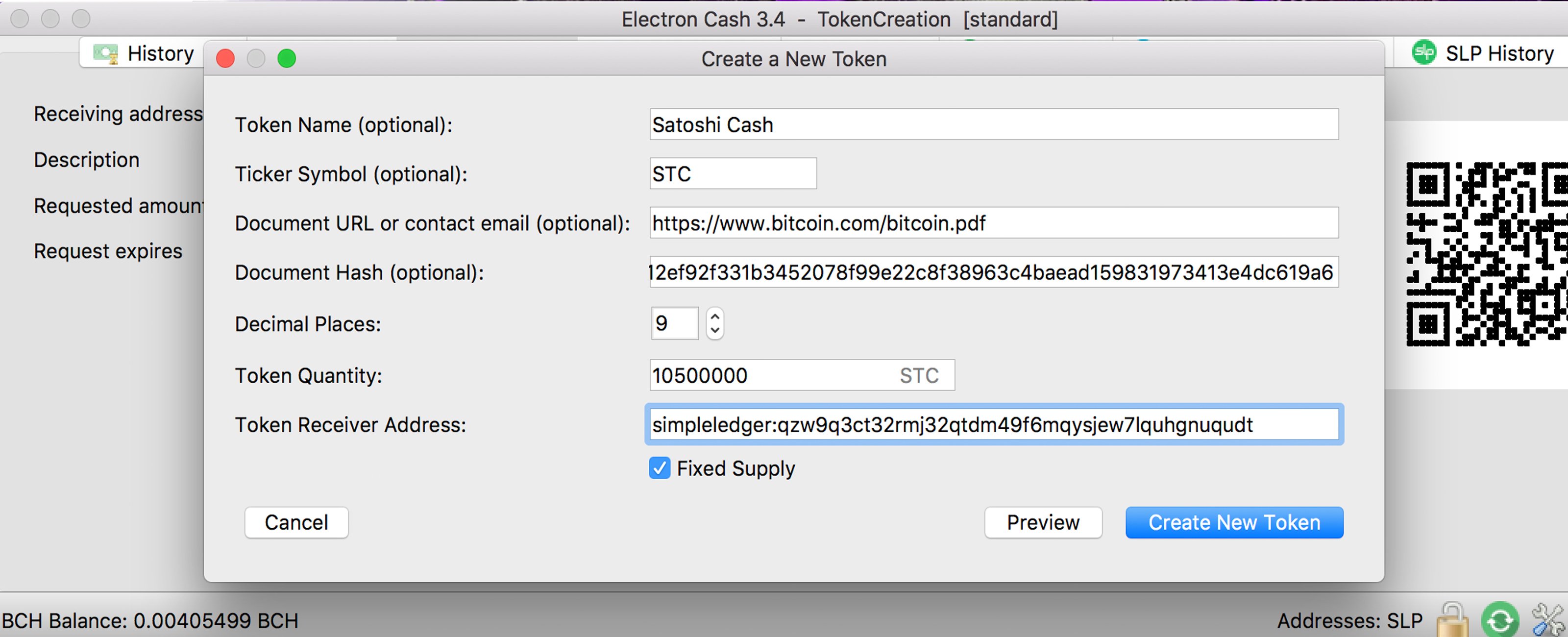
The customizations include token name, token symbol (optional), token quantity, and the receiving address. It also includes the ability to append an optional URL, document hash, and how many decimal places will be included so the token can be divided. Additionally, the creator can customize the quantity created and whether or not the token will have a fixed supply.
How to Create Your Own SLP Token Using the Bitcoin Cash Blockchain
Customizing the SLP token before broadcasting it to the BCH ledger.

Step 4: Preview and Broadcast

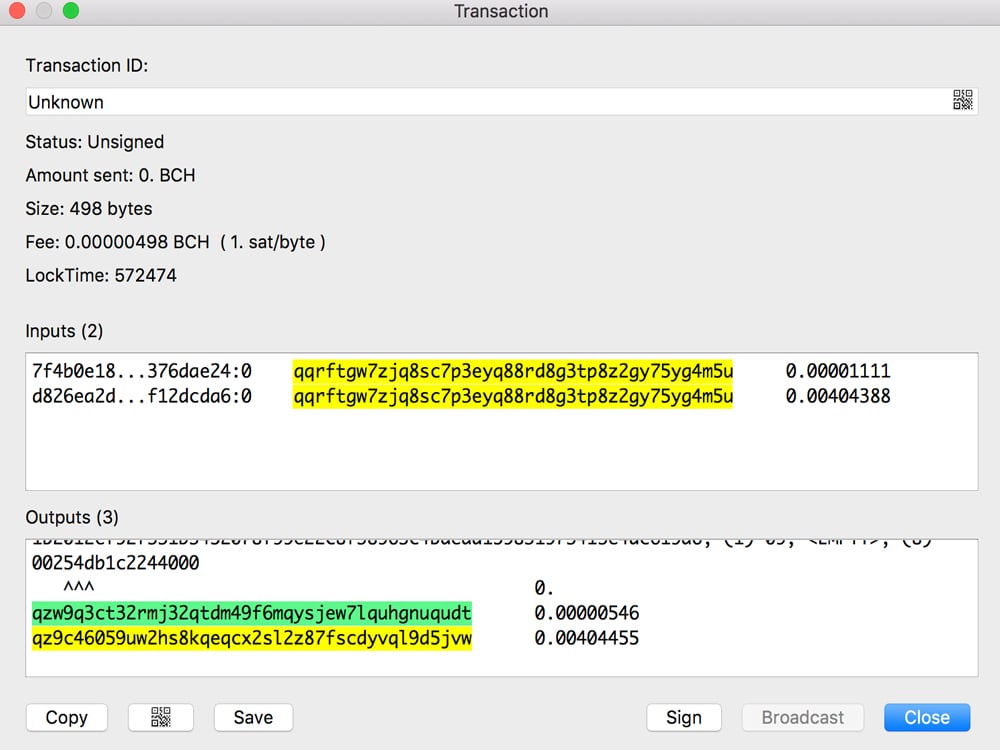
You can now preview the token or create the token onchain, which will only cost a tiny network fee. After the tokens are created, the Electron Cash wallet will give a transaction ID that can be used on a block explorer to view the genesis creation. From here, you can send the tokens to another SLP compatible wallet like the Badger wallet extension and utilize the coins for whatever you desire. SLP created tokens can only be seen by a compatible wallet and an SLP address format looks like this: simpleledger:xxxxxx followed by an alphanumeric string. SLP tokens need to be sent to SLP addresses or the tokens could get lost in a wallet that doesn’t recognize the tethered data.
How to Create Your Own SLP Token Using the Bitcoin Cash Blockchain
Users can preview the token data before broadcasting.

Bitcoin.com developer and Bitbox creator Gabriel Cardona has published a PR template for individuals and organizations wishing to create tokens. This means token creators can include a token name, symbol/ticker, genesis TXID and asset templates in sizes between 32×32, 64×64, 128×128 and SVG. “We hope this helps with token interoperability between Bitcoin Cash apps,” Cardona tweetedon March 4.

The Satoshi Cash Experiment

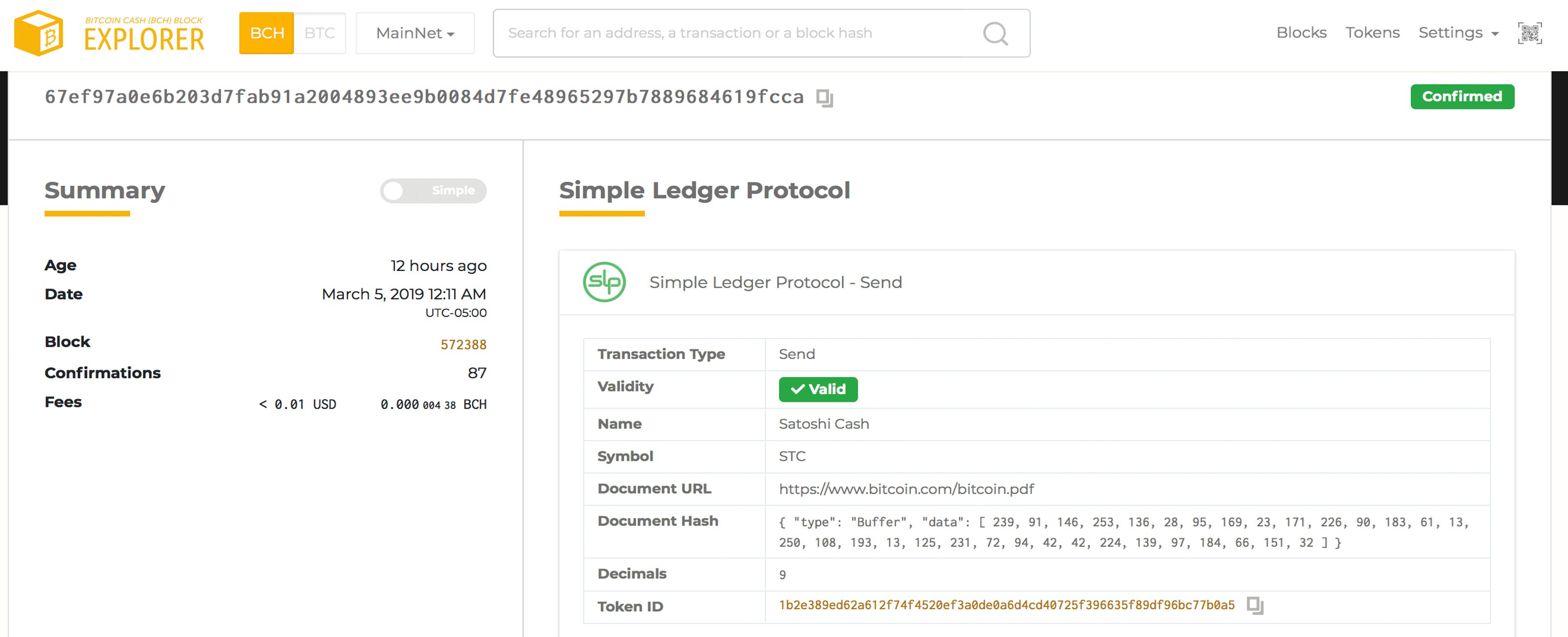
On Feb. 4, I decided to have some fun and create a new token called Satoshi Cash (STC) and distribute the tokens on forums and social media. Satoshi Cash has a fixed supply cap of 10.5 million tokens to represent half the supply of Satoshi’s original design. Due to this digital scarcity, STCs are divisible to nine decimal places. Satoshi Cash is also linked to an online version of the whitepaper hosted on Bitcoin.com. The reason for this is so that when people get some STC sent to them, they may be enticed to read Satoshi’s seminal work for a better understanding of peer-to-peer electronic cash. Moreover, using a special tool, I tethered a hash to the token supply which is tied to the original genesis block hardcoded into the main chain.
How to Create Your Own SLP Token Using the Bitcoin Cash Blockchain
The STC token as shown on Bitcoin.com’s Block Explorer.

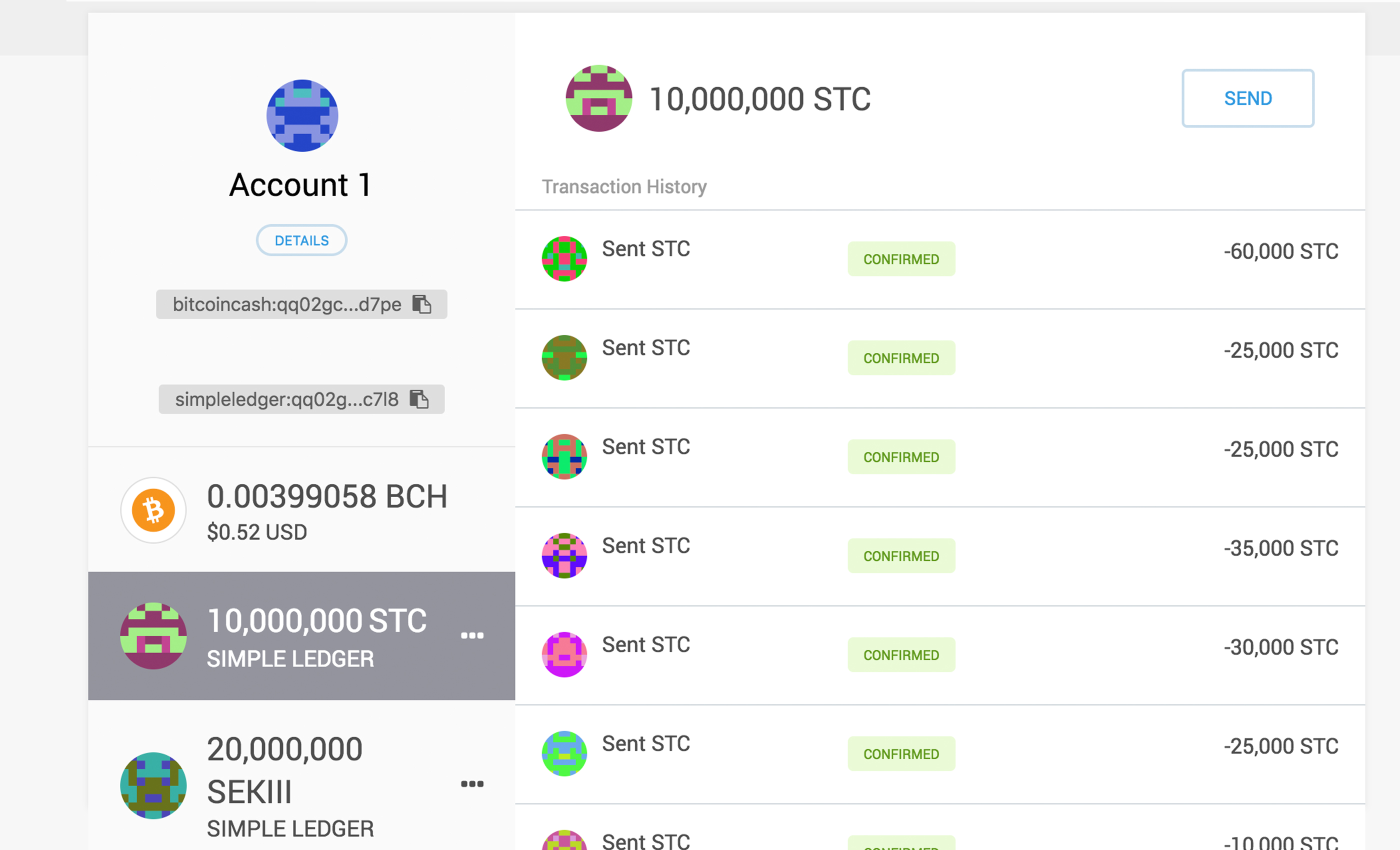
The next morning, on the Reddit forum r/btc, I created a thread which detailed that I was giving away STCs to those who provided me with an SLP address. I further added a bonus question for 100,000 STCs and gave it to the first person who answered the question correctly. In just a couple of hours, I managed to give away 550,000 STC out of the total supply of 10.5 million. I plan to continue the experiment until I’ve distributed the majority of STC coins. In our next token experiment, the step-by-step guide will teach people how to create a token using the Wormhole protocol.
How to Create Your Own SLP Token Using the Bitcoin Cash Blockchain
Giving away 550,000 STC away on r/btc using the Badger wallet.

Creating a token on the BCH chain is easy and distributing them to friends and perfect strangers is fun. What’s not easy is adding value to these tokens, but some individuals and businesses could achieve this by allowing them to act as discounts and coupons for services, backing them with some type of commodity or fiat reserve, or creating a security token which could be collateralized as company shares. So far, people have been sharing these tokens just for fun, as I did with the STC experiment, but in the future, the concept may spread into something far more valuable.
What do you think about the SLP tokens? Have you tried to make a token using the Bitcoin Cash network? Let us know what you think about this subject in the comments section below.
Disclaimer: This article is for informational purposes only. Readers should do their own due diligence before taking any actions related to the mentioned applications and services. Bitcoin.com and the author are not responsible, directly or indirectly, for any damage or loss caused or alleged to be caused by or in connection with the use of or reliance on any content, goods or services mentioned in this article.

Tags :
#How to Create Token
#Token BCH 

Friday, March 1, 2019

America's Signature Bank to Offer Services to Bermuda Crypto Companies


U.S. commercial bank Signature will start to offer a full range of banking services to licensed fintech companies in Bermuda, including those in the digital asset industry. The bank has reached an agreement with the government to provide the service, moving in to fill the gap left by local banks, which have been reluctant to deal with the island nation’s growing fintech community.

‘Signature Vote of Confidence for Bermuda’

“Signature Bank’s willingness to consider Bermuda-licensed businesses for banking services is a significant vote of confidence in and endorsement of Bermuda’s efforts to create a leading high standard regulatory regime for fintech business,” Bermudian premier David Burt said in statement on Feb. 28.
America's Signature Bank to Offer Services to Bermuda Crypto Companies
Premier David Burt
The island’s legal clarity on cryptocurrency and other disruptive financial technologies has made it a choice destination for tech businesses. Signature Bank’s entrance introduces banking services customized for these companies with government blessing.
Prime Minister Burt lauded the partnership as an incentive for companies looking to operate physically in his country. “As a result of our business development and promotional efforts, 66 fintech companies have been incorporated in Bermuda,” the premier said.
“However, the absence of banking services for fintech companies has been an impediment to those companies who are looking to establish a physical presence in Bermuda,” he added.
America's Signature Bank to Offer Services to Bermuda Crypto Companies

Improved Regulatory Landscape

In October last year, U.S.-based technology firm Uulala became the first company to gain ICO approval from the Bermuda government, following the introduction of the country’s regulatory framework on cryptocurrency earlier in 2018.
Along with Malta, Gibraltar and Liechtenstein, Bermuda has been working around the clock to attract cryptocurrency companies. Malta passed three laws in July last year to ease the requirements for companies involved in minting new cryptocurrencies and trading existing ones.
The influx of these companies has been helped by the fact that the regulatory efforts many larger economies has been meek, comprising little more than domiciling new technologies to the traditional financial sector and applying illiberal state oversight.
“Bermuda is setting itself apart by providing regulatory certainty combined with a world-renowned reputation for transparency and the highest standards of global compliance,” stated premier Burt.
While Bermuda has been proactively regulating the digital assets space to be at the cutting edge of business developments, its new American banking partner has also been targeting financially progressive jurisdictions. The bank has recently launched a regulator-approved blockchain-based platform for managing money transfers in New York.
America's Signature Bank to Offer Services to Bermuda Crypto Companies
As of February 28, Signature Bank has been accepting banking applications from Bermuda-licensed companies. Its president and CEO Joseph Depaolo said Signature’s blockchain-based Signet system is facilitating the transfer of millions of dollars daily since its launch at the beginning of the year.
“Currently, we are seeing trades in the millions some days and tens of millions other days … Signature Bank is one of the few banks in the U.S. that will provide deposit accounts and corporate debit cards to cryptocurrency startups but we are seeing non-crypto businesses signing up as well,” he said.
What do you think about Bermuda’s efforts at building its fintech industry? Let us know in the comments section below.

Tags :
#fintech
#signature bank
#bermuda-licensed

Economics Professor on Ripple Board Misrepresents Bitcoin During Stanford Lecture


A Stanford student has submitted a letter of complaint to the Graduate School Board stating that a resident economics professor grossly misrepresented Bitcoin during a guest lecture on blockchain and the future of finance, while openly promoting Ripple as a better alternative.

Questionable Academic Integrity

When Stanford student Conner Brown entered a lecture hall at the Stanford Graduate School of Business in January 2019 to attend a guest lecture by Susan Athey, Economics of Technology Professor at Stanford, he got more than he bargained for. So much so that he felt compelled to write the school board:
During the presentation from Dr. Athey there were multiple misstatements that were concerning to me. I understand that she is a respected professor at Stanford and that these may have been accidental; however I also believe that it is in the best interest of our academic environment that we ensure high caliber discussion and peer review.
He added: “My concerns revolve around misstatements around Bitcoin in comparison to Ripple’s token called XRP. I would also like to raise concerns about potential conflicts of interest in a professor making false statements while simultaneously promoting a product that claims to solve these problems and being paid by that company.”
The lecturer in question is an acclaimed economist who’s previously held a chair at Harvard. The highly cited professor, tasked with teaching an upcoming course in cryptocurrencies at Stanford University, might have been assumed to be an expert in her field.
Her decision to shill Ripple while criticizing Bitcoin has been attributed not to ignorance, but to the fact that she sits on Ripple’s Board of Directors, which she joined back in 2014.
Posted below is an email that I sent to the Stanford GSB after a presentation in one of my classes. My professors refused to talk in person after bringing this to their attention. Over a month later I still have heard no response, other than "we will get back to you on this."
Professors shilling tokens is the 21st century version of “you must buy my book to take this course” 😂
See Andrew Bentley 🇺🇸✌🏻's other Tweets

A Litany of Errors

In his letter, which reads like a college-level introduction to Bitcoin, Conner Brown articulates the points where Athey’s presentation was misguided. These arguments include:
  • Conflating mining nodes and full validating nodes on the Bitcoin network and thus claiming that Bitcoin is “controlled by a small group of miners in China.”
  • Claiming that Bitcoin accounts are “secured economically and not cryptographically.”
  • Claiming that “Bitcoin wastes electricity by stealing from rivers to solve useless math problems.”
  • Claiming that Mexican financial institutions are using Ripple technology.
  • Claiming that Ripple does not sell XRP, they only “routinely disperse” the token.
  • Showcasing outdated bitcoin wallets from circa 2013 without mentioning ensuing technological advancements.
  • Claiming that if you enter the incorrect Bitcoin address, the funds disappear without mentioning that modern wallets have QR code functionality to prevent this.
Economics Professor on Ripple Board Member Misrepresents Bitcoin in Favor of XRP During Stanford Lecture
Athey’s slide on an XRP use case, for which Brown says he could find no corroborative evidence.
Brown proceeded to debunk each statement in turn, citing well-known research and research papers. Being a diligent student of Bitcoin and of life, he really did his homework:
I called the company that Ripple has publicly stated uses the technology and asked them if they use “xRapid” or any services provided by Ripple, their response was “No.” I’ve attached the audio clip below.

With Great Commercial Power Comes Great Academic Responsibility

To chalk up Athey’s blunders to innocent — even ignorant — mistakes would seem impossible given that he’s an economist at one of the most prestigious universities in the world, lecturing on a topic she’s meant to know a lot about. Athey has been on Ripple’s Board of Directors for the past five years, a company she’s proud to be associated with:
…all of those problems can potentially be addressed, and indeed startups are working on all of them within the Bitcoin community. However, it made me wonder whether there wasn’t a simpler way to solve this problem, one that still took advantage of the fundamental innovation from Bitcoin, a secure ledger. As I was grappling with these questions, I learned about the Ripple protocol. I realized that it addressed all of these problems.
Worse still, her promotion of XRP within an academic setting doesn’t appear to be the first time, as this Twitter user mentions:
Posted below is an email that I sent to the Stanford GSB after a presentation in one of my classes. My professors refused to talk in person after bringing this to their attention. Over a month later I still have heard no response, other than "we will get back to you on this."
Very well written points. i heard her speak last year at uchicago and also mentioned some ripple comments at the time which I thought were questionable. Thank you for speaking up.
See Calvin Chu's other Tweets
In the face of what appears to be a blatant promotion of an altcoin she has a vested interest in, Athey has brought not only her own but also Stanford’s academic integrity into question.
Ripple’s Blockchain Initiative Program, which has entered schools, sounds eerily in tune with what Brown and his classmates experienced. As the company’s SVP of Global Operations Eric van Miltenburg describes it:
We are placing full faith in these universities, knowing that the students and faculty are the most capable individuals in the field. We want to help accelerate what is already a spark by turning that into a flame to help these schools move forward.

Ripple Is More Relevant Than Bitcoin

A month after receiving no response to his letter from Stanford, Brown took to Twitter to relate his experience.
Posted below is an email that I sent to the Stanford GSB after a presentation in one of my classes. My professors refused to talk in person after bringing this to their attention. Over a month later I still have heard no response, other than "we will get back to you on this."
394 people are talking about this
Athey responded, stating that she’d never received the complaint letter. At Brown’s request, she shared a copy of her presentation:
Hi Dr. Athey, thank you for responding! You are correct—this email was sent to the professors hosting your talk. I’m sorry they didn’t follow up with you.

If you disagree with content in my letter, could you publicly post the slides from the talk?

Thanks again for your time.
Here are my slides. Unlike what you might think from Conner's post, the lecture and slides are very high level, intuitive, as this was MBA class with no background in blockchain. Just trying to give the big picture as well as some of the challenges. https://tinyurl.com/y6rx6so6 
18 people are talking about this
Software engineer and founder of Bitcoin Advisory, Pierre Rochard, was not impressed:
Athey defended her focus on Bitcoin’s early days without mentioning its current technology status, stating:
...actual, production-grade, beta-stage, daily-used, working Lightning Network layer itself in the comparison, the most relevant thing in the whole research field to discuss in a topic about confirmation times (not to mention costs & privacy) for e-commerce & payments,
...
The slides are all describing Bitcoin early days and ~10 min was approx. The talk begins with stripped down, basic tech, basic wallet, no bells/whistles, high level. Not intending to take any stand on today's performance or lightning or any current debates!
See Susan Athey's other Tweets
She then added that her references to XRP (which she says she was transparent about) are particularly relevant to the here and now:
You have to be more self aware than that. If the only counter to Bitcoin you’re going to talk about is Ripple, which is tied to a private company that you’re on the Board of Directors of, maybe toss in a slide about Stellar or EOS to save yourself some grief.
Point taken. But, in MBA class, guest speaker is *supposed* to talk about what they personally know. This class about future of finance; Ripple is natural since it has bank/FI customers. I had multiple slides on smart contracts, discussed Ethereum etc.
See Susan Athey's other Tweets
Whatever Athey’s intended agenda, with cryptocurrencies increasingly placed on the curriculum of tertiary institutions, it’s of utmost importance that a faculty’s representation of the technology is fair, equal, and unbiased. On this occasion, there would appear to be a prima facie case for asserting that the professor overstepped the mark.

What’s your take on Brown’s criticisms of Athey’s lecture? Let us know in the comments section below.


Tags :
#Ripple will replace Bitcoin
#Ripple for Bank
#What is Ripple
#whether the ripple will replace the bank